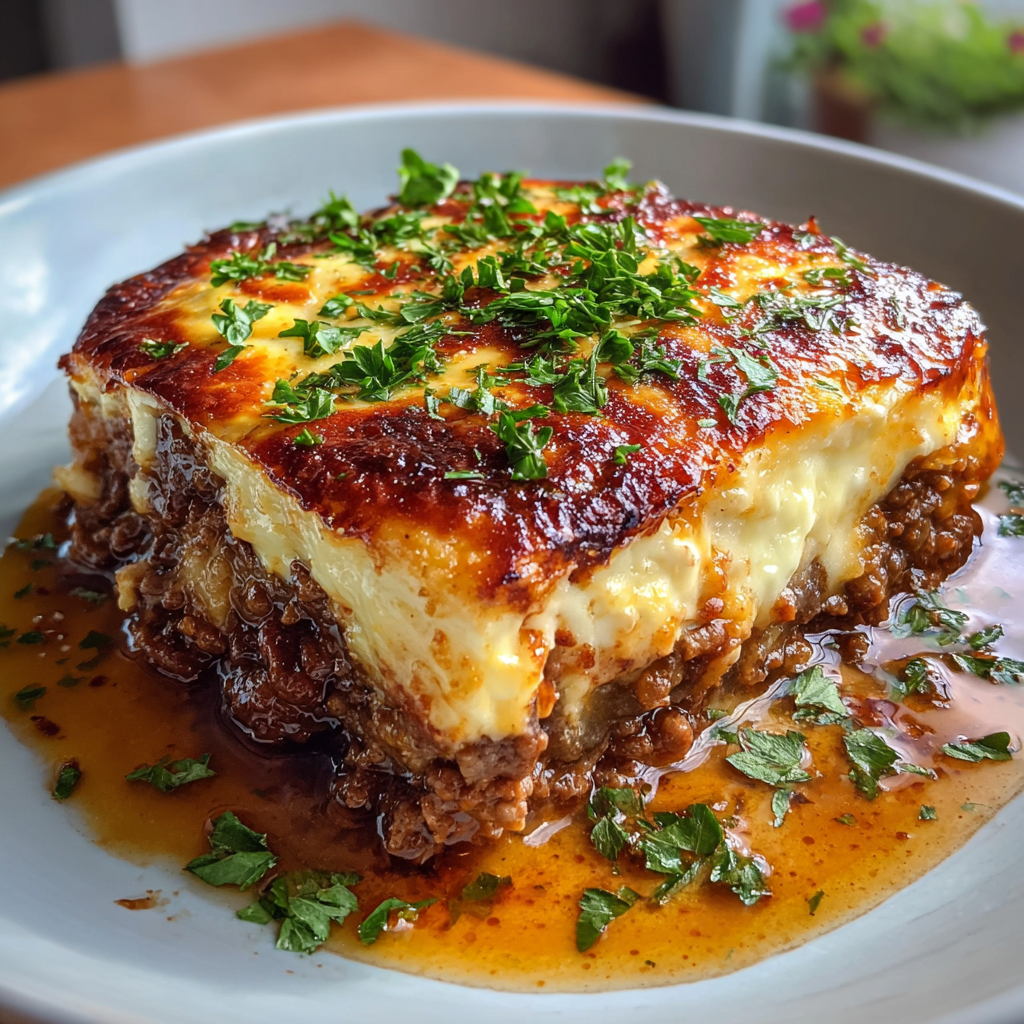
Why You’ll Love This Recipe
Greek Moussaka is a timeless Mediterranean dish known for its rich layers, comforting flavors, and satisfying texture. This recipe brings together tender roasted eggplant, a warmly spiced meat sauce, and a creamy béchamel topping baked to golden perfection. I appreciate this dish because it feels both rustic and elegant, making it suitable for family dinners as well as special occasions. While moussaka may appear complex, breaking it into simple steps makes it approachable for home cooks. Each layer plays an important role, from the savory depth of the meat sauce to the silky smoothness of the béchamel. Once baked, the flavors meld beautifully, creating a dish that slices cleanly and tastes even better the next day. If you enjoy hearty casseroles with rich flavor and traditional roots, this Greek moussaka recipe is a must-try.
Print
Greek Moussaka – A Classic Mediterranean Comfort Dish
- Total Time: 1 hour 30 minutes
- Yield: 8 servings
- Diet: Halal
Description
A classic Greek moussaka made with layers of tender eggplant, savory spiced meat sauce, and creamy béchamel, baked until golden and comforting.
Ingredients
- 2 large eggplants, sliced lengthwise
- 2 tablespoons olive oil
- 1 lb ground beef or lamb
- 1 medium onion, finely chopped
- 2 cloves garlic, minced
- 1 (14 oz) can crushed tomatoes
- 2 tablespoons tomato paste
- 1 teaspoon ground cinnamon
- 1/2 teaspoon ground nutmeg
- 1 teaspoon dried oregano
- Salt and black pepper to taste
- 3 tablespoons unsalted butter
- 3 tablespoons all-purpose flour
- 2 cups whole milk, warm
- 1/2 cup grated Parmesan cheese
- 1 large egg
Instructions
- Preheat oven to 400°F (200°C).
- Brush eggplant slices with olive oil and bake for 20 minutes until tender.
- Meanwhile, cook ground meat with onion in a skillet until browned.
- Add garlic, crushed tomatoes, tomato paste, cinnamon, nutmeg, oregano, salt, and pepper. Simmer 15 minutes.
- In a saucepan, melt butter, stir in flour, and cook 1 minute.
- Gradually whisk in warm milk until thickened. Remove from heat.
- Stir in Parmesan cheese, then whisk in egg.
- In a baking dish, layer half the eggplant, all the meat sauce, remaining eggplant, and top with béchamel.
- Bake for 40–45 minutes until golden and set.
- Let rest 15 minutes before slicing.
Notes
- Resting time helps the layers set.
- Can be made a day ahead and reheated.
- Zucchini or potatoes may be added as extra layers.
- Prep Time: 30 minutes
- Cook Time: 1 hour
- Category: Main Course
- Method: Baking
- Cuisine: Greek
Ingredients
(Tip: You can find the complete list of ingredients and their measurements in the recipe card below.)
Eggplants form the base of the dish, providing tender texture and mild flavor once roasted.
Olive oil is used to roast the eggplant and enhance the Mediterranean flavor profile.
Ground beef or lamb creates the hearty, savory meat layer typical of traditional moussaka.
Onion adds sweetness and depth to the meat sauce.
Garlic enhances the sauce with aromatic flavor.
Crushed tomatoes create the rich tomato base for the meat layer.
Tomato paste intensifies flavor and thickens the sauce.
Ground cinnamon adds subtle warmth and signature Greek flavor.
Dried oregano provides earthy herbal notes.
Salt balances and enhances all layers of the dish.
Black pepper adds mild heat and seasoning.
Butter forms the base of the béchamel sauce.
All-purpose flour thickens the béchamel to a smooth consistency.
Milk creates the creamy texture of the béchamel topping.
Egg yolks enrich the béchamel and help it set when baked.
Nutmeg adds warmth and depth to the béchamel.
Grated Parmesan or Kefalotyri cheese adds savory richness to the topping.
Directions
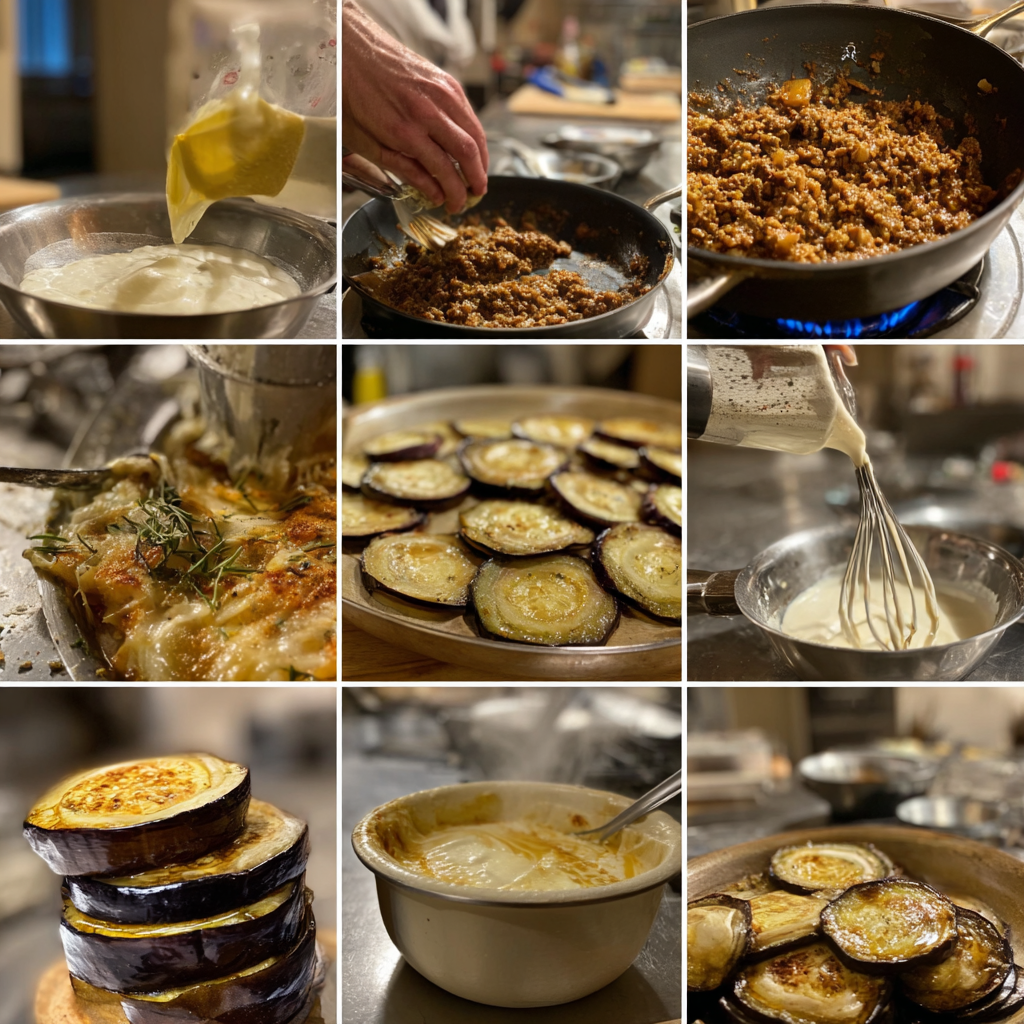
Begin by preparing the eggplant. Slice the eggplants lengthwise, brush lightly with olive oil, and roast until tender and lightly golden. Set aside to cool.
In a skillet, cook the ground meat with chopped onion until browned and fragrant. Add garlic, crushed tomatoes, tomato paste, cinnamon, oregano, salt, and black pepper. Simmer until thickened and well combined.
Prepare the béchamel by melting butter in a saucepan, whisking in flour, and gradually adding milk until smooth and thick. Remove from heat and whisk in egg yolks, nutmeg, and grated cheese.
To assemble, layer the roasted eggplant in a baking dish, followed by the meat sauce. Repeat layers if desired. Spread the béchamel evenly over the top.
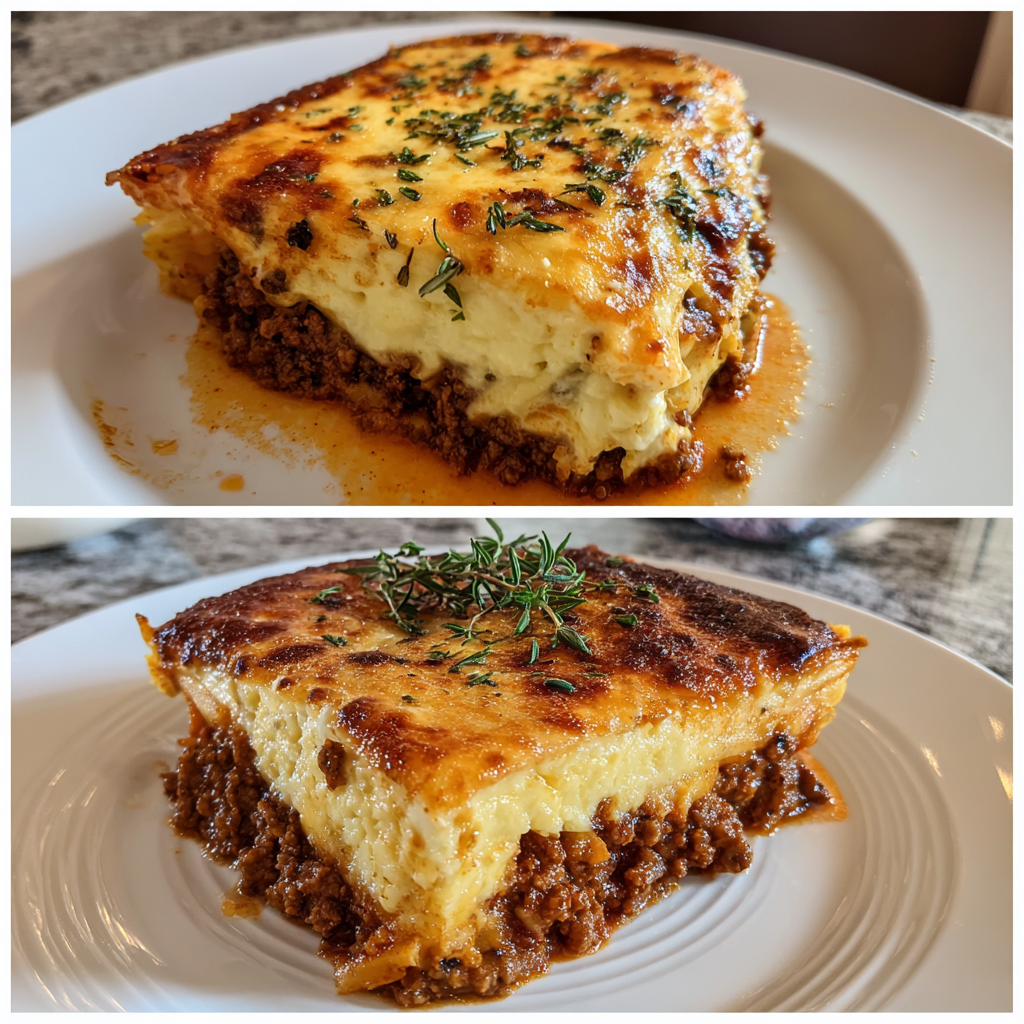
Bake until the top is golden and set. Allow the moussaka to rest before slicing to ensure clean portions.
Equipment needed
Must-Have Tools to Get Rolling
Here’s what you’ll want to have on hand:
Silicone Spatula – Durable, heat-resistant silicone spatula perfect for mixing, scraping, and spreading. Gentle on non-stick cookware and easy to clean.
Large pot – You’ll need this to boil the whole cabbage head and soften the leaves.
large bowl –Spacious, durable large bowl ideal for mixing, serving, or food preparation. Made from sturdy material and easy to clean.
Sharp knife – For coring the cabbage and slicing out the thick stem in each leaf. A paring knife works best.
Mixing bowl – A big bowl makes it easier to combine your meat and rice filling evenly.
Cutting board – For prepping cabbage leaves and rolling them like a pro.
9×13-inch baking dish – Ideal size to fit your rolled cabbage leaves snugly and prevent them from unraveling.
knife – A sharp, durable kitchen knife perfect for slicing, chopping, and dicing with ease.
Servings and timing
This recipe serves 6 to 8 people. Preparation time is approximately 45 minutes, baking time is about 50 minutes, and resting time is 20 minutes before serving.
Storage/reheating
Store leftover moussaka in an airtight container in the refrigerator for up to four days. Reheat gently in the oven or microwave. The flavors deepen after resting, making leftovers especially enjoyable.
Variations and Customizations
Greek Moussaka is adaptable while remaining true to its roots. For a lighter version, use ground turkey instead of beef or lamb. You can also add a layer of thinly sliced potatoes beneath the eggplant for a more traditional variation.
I tested this recipe with a blend of beef and lamb, and it delivered exceptional depth and richness. For a vegetarian option, substitute lentils or mushrooms for the meat while keeping the spices and béchamel intact.
You may also adjust the seasoning slightly to suit your taste, adding more cinnamon or nutmeg for warmth. These customizations allow flexibility while preserving the essence of classic moussaka.
Nutrition and Dietary Info
| Nutrient | Per Serving |
|---|---|
| Calories | 560 |
| Protein (g) | 28 |
| Carbs (g) | 26 |
| Fat (g) | 38 |
| Saturated Fat (g) | 17 |
| Fiber (g) | 6 |
| Sugar (g) | 9 |
| Sodium (mg) | 620 |
Expert Tips & Customizations
Roast eggplant properly
Roasting prevents sogginess and adds depth of flavor.
Thick meat sauce
A thicker sauce helps the layers hold together when sliced.
Smooth béchamel
Whisk constantly to avoid lumps.
Rest before cutting
Resting allows the layers to set and improves presentation.
FAQs
Is Greek moussaka similar to lasagna?
Yes, it is layered like lasagna but uses eggplant and béchamel instead of pasta.
Can I make moussaka ahead of time?
Yes, it can be assembled a day ahead and baked before serving.
Can moussaka be frozen?
Yes, freeze fully cooked and cooled portions for up to two months.
What meat is traditionally used?
Lamb is traditional, but beef is commonly used.
Can I skip the béchamel?
Béchamel is essential for classic moussaka flavor and texture.
Why does my moussaka fall apart?
It likely needs more resting time after baking.
Conclusion
Greek Moussaka is a comforting, flavorful dish that showcases the heart of Mediterranean cooking. With its layered textures, aromatic spices, and creamy topping, it is a rewarding recipe that delivers both tradition and satisfaction in every bite.
Hungry for more? Visit our website for full recipes and follow us on Pinterest for daily foodie inspo you’ll love to pin!